08/03/2025


Cave exploration, also known as speleology, is the activity of entering and studying natural caves for scientific, recreational, or sporting purposes. It involves exploring geological formations, observing underground fauna, and mapping their interiors. For safe and efficient cave exploration, proper preparation and precautions are essential. Equipment plays a crucial role and should include a headlamp […]
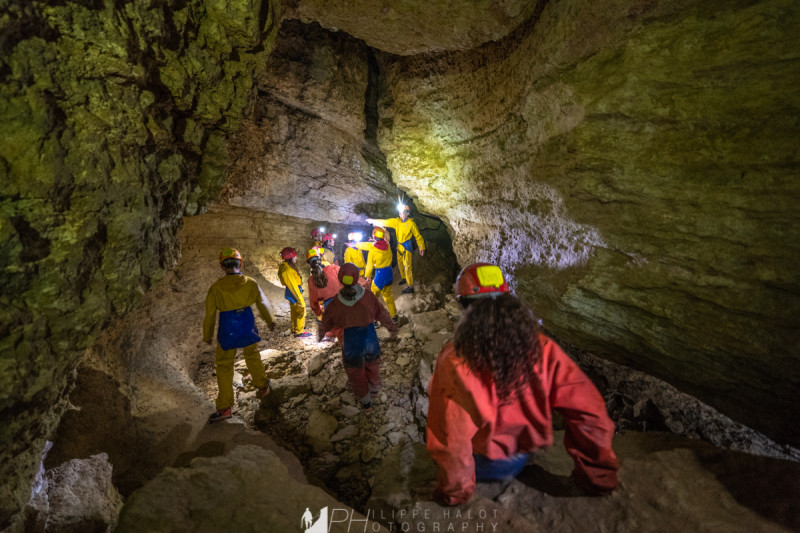
Cave exploration, also known as speleology, is the activity of entering and studying natural caves for scientific, recreational, or sporting purposes. It involves exploring geological formations, observing underground fauna, and mapping their interiors.
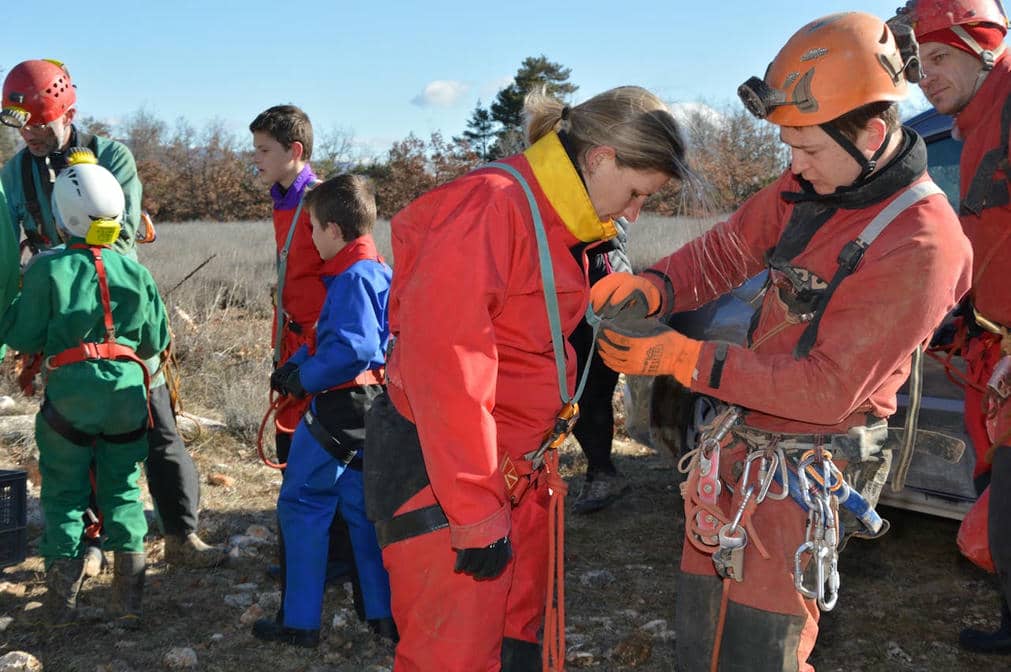
For safe and efficient cave exploration, proper preparation and precautions are essential. Equipment plays a crucial role and should include a headlamp with extra batteries, appropriate clothing such as durable clothing, a helmet, and gloves, as well as ropes and climbing equipment if the cave requires it. In addition, it is important to have emergency supplies such as water, food, and a basic first aid kit.
Safety is of utmost importance in cave exploration. One should never enter a cave alone, but always with a group. Additionally, they must inform someone of their route and expected return time. Exploring after rain is dangerous, as there is a risk of flooding. Knowledge of first aid and emergency procedures can save lives in the event of an accident.

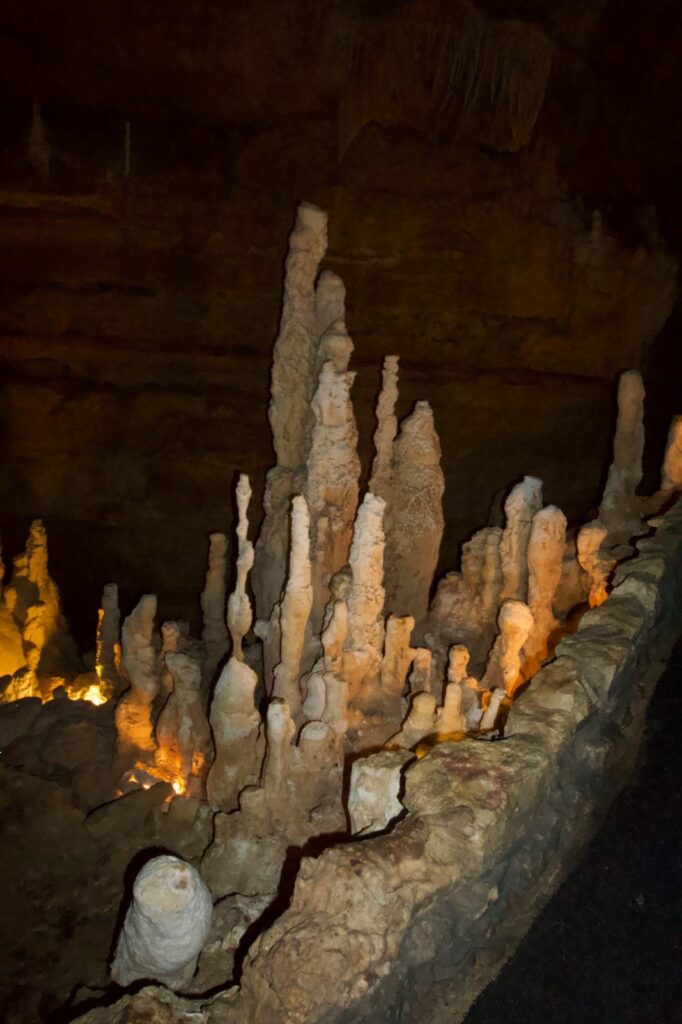
It is also important to respect the cave environment. No litter should be left, nor should its natural form be altered. Contact with stalactites and stalagmites should be avoided, as skin oils can disrupt their growth. It is also essential not to disturb cave-dwelling animals, such as bats, as they play an important role in the ecosystem.
Cave exploration is an exciting but demanding activity that combines adventure with science and requires physical fitness. Proper preparation, adherence to safety rules, and respect for the natural environment ensure a safe and unforgettable experience.